Mentoring for researchers
A good research career takes more than talent.
The mentor the academic system assumes you already have, and that you rarely do.
Horacio Pérez Sánchez PhD
25 years · 200+ papers · €6M in competitive grants · 15 PhDs supervised · 400 podcast episodes
Career. Funding. Leadership.
What this is
1:1 mentoring for researchers at any stage.
I have been doing research and leading a group for 25 years. I have been through every step of the trade: applying for postdocs, writing my first Horizon proposal, losing my first Horizon proposal, supervising PhDs, publishing in journals that matter, presenting results that did not work, securing six million euros, hiring and letting go collaborators, and learning to say no.
That experience is what I share in mentoring: judgement, context and direct recommendations based on what actually works, not what manuals say.
Who I work with
Three kinds of researchers.
Academics at any stage
PhD students, postdocs, junior PIs and senior professors. The problem changes at each stage; the trade is learned in sequence.
Researchers in industry
Pharma, biotech, deeptech, digital health. For those whose challenge is keeping rigour and career inside a business.
Independent or transitioning researchers
For those leaving academia, considering it, or already working on their own. The loneliest part of the trade.
Where I can help
What your supervisor did not have time to teach you.
Career
- Deciding your next step (postdoc, industry, independent)
- Applying for postdocs and finding the right group
- Leaving academia with criterion, not exhaustion
- Academic personal brand and positioning on LinkedIn
Projects and funding
- Strategy for ERC, MSCA, Horizon, bilateral calls
- Proposal structure that passes phase one
- Rebuttal to evaluators and resubmissions
- National accreditations
Publication
- Where to publish and when
- Manuscript structure and scientific storytelling
- Responding to reviewers
- Handling difficult co-authors
Group leadership
- Starting your first group
- Supervising PhDs without losing your mind
- Culture, onboarding and team processes
- Knowing when to close a line or the entire group
Method and tools
- AI applied to research (writing, literature, code)
- Personal knowledge and literature management
- Realistic academic productivity
Mindset and network
- Living with rejection without it destroying you
- Building a professional network from scratch
- Knowing when to say no
- For researchers in Latin America: entering the European ecosystem
How we work
Three formats. Three paces.
Single session
A 60-minute call to unblock one concrete decision (paper, proposal, offer, career dilemma). You leave with a clear plan.
Focused mentoring
A package of sessions spread over 2, 3 months for a defined goal (preparing an ERC, finishing the thesis, writing your first Horizon).
Ongoing accompaniment
A recurring session every 4, 6 weeks for as long as needed. For transition phases or group leadership.
Pricing depends on format and scope. We start with a first conversation to see if we fit and what you need; I then send you a concrete proposal.
Start here
Research career diagnostic.
10 questions in 3 minutes. I reply within 48 hours with where I see your main bottlenecks and where I would start.
It is free. It commits you to nothing. And it helps you whether you use mentoring afterwards or not.
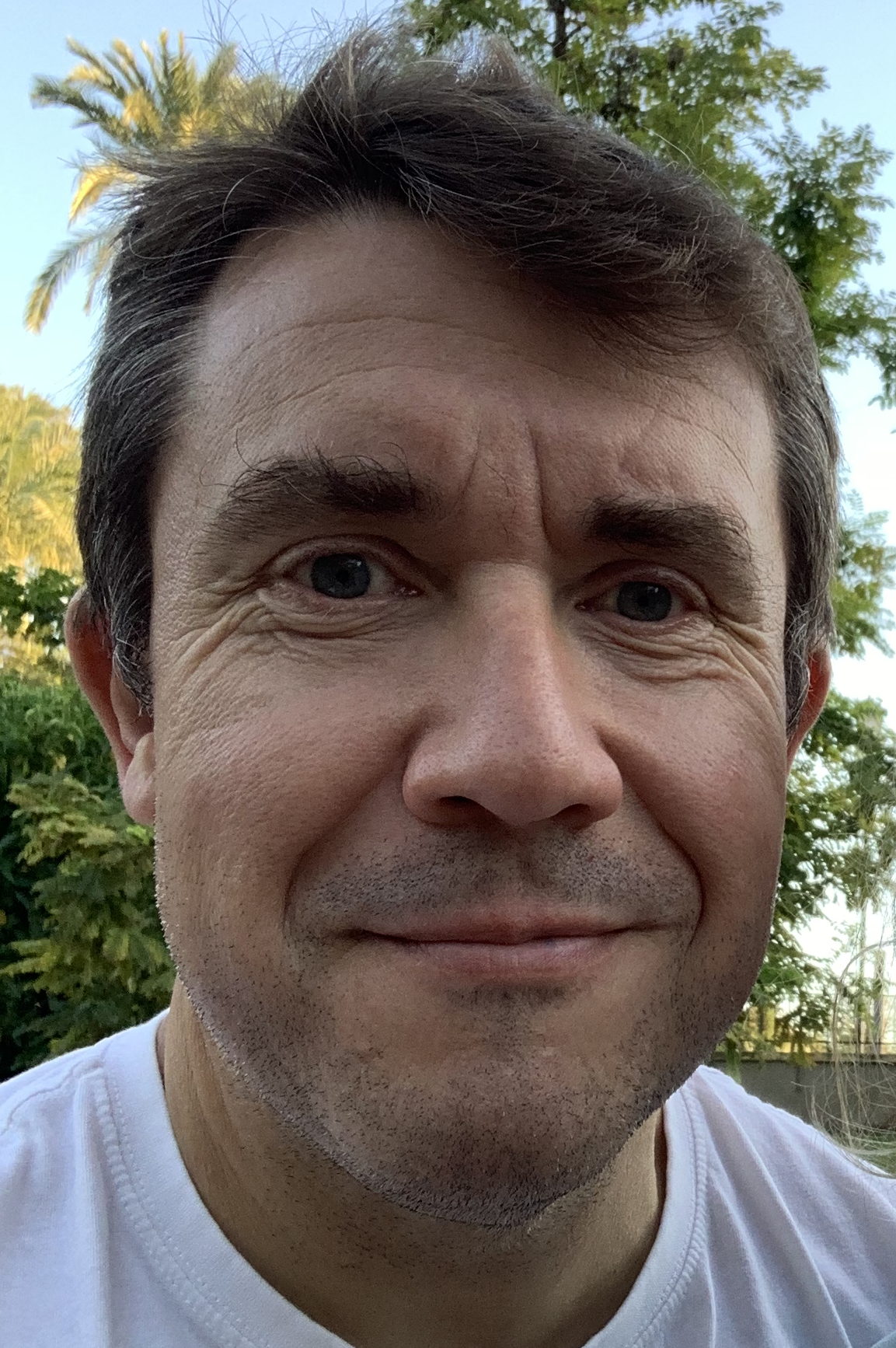
Who I am
The supervisor your supervisor did not have time to be.
I lead a bioinformatics group at UCAM (Spain). I have published over two hundred articles, secured six million euros in competitive funding and supervised fifteen PhDs. In 2021 I started the podcast Investigating the research, which is now at 400 episodes, and which doubles as a public library of what I teach in mentoring.
More detail at Who I am.
Testimonials
What people who have been through this say.
“Horacio acts as a bridge between researchers from different latitudes, turning individual effort into a collaboration network without borders, driven by a shared passion for research.”
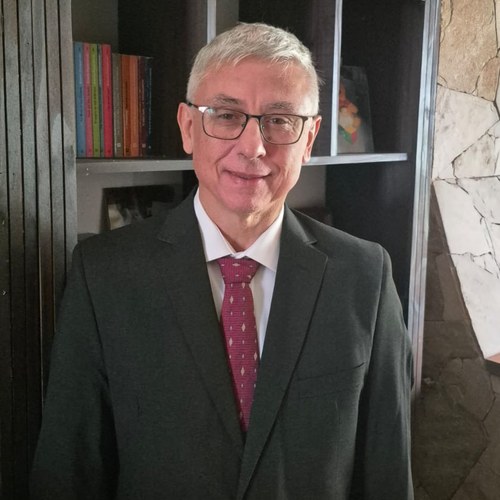 Roberto Santa Cruz
Intensive care physician and clinical researcher · Hospital Regional Río Gallegos, Argentina
Roberto Santa Cruz
Intensive care physician and clinical researcher · Hospital Regional Río Gallegos, Argentina
“I have been talking with Horacio for years, always so honest and so entrepreneurial; he connects not only ideas but also people.”
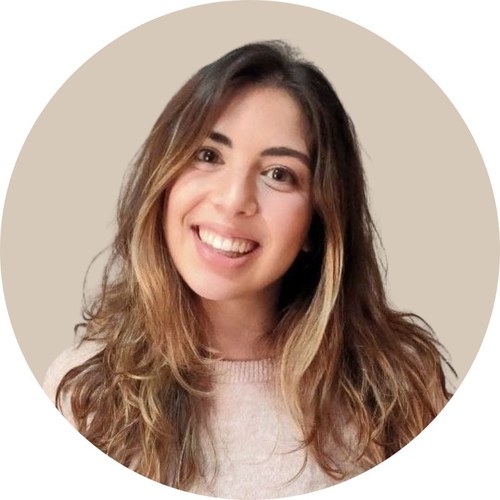 Sara Enrique Belda
PhD in the psychology of entrepreneurship from the University of Valencia, Spain
Sara Enrique Belda
PhD in the psychology of entrepreneurship from the University of Valencia, Spain
“I met Horacio during my predoctoral years, and ever since he has always been willing to share his experience and guide those of us starting out in research. The way he explains scientific processes and his willingness to help selflessly have been of great value to many researchers.”
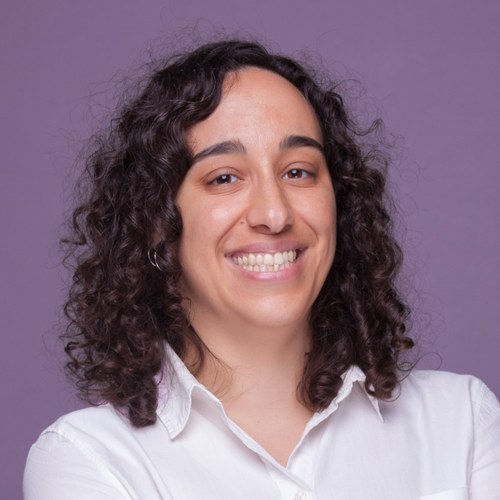 Marta González Monfort
Molecular biologist, microbiome and bioinformatics · Industrial PhD candidate, University of Valencia, Spain
Marta González Monfort
Molecular biologist, microbiome and bioinformatics · Industrial PhD candidate, University of Valencia, Spain
“With Horacio’s guidance I went from searching the literature with no method to something far broader: designing prompts for critical analysis, criteria for choosing indexed journals, and self-editing that simulates peer review. AI does not replace the researcher’s rigour, but it genuinely strengthens the research work: from information overload to publishable papers.”
 Mariela Pérez-Domínguez
Dentist with a PhD in Dental Sciences · Professor at the University of Carabobo, Venezuela
Mariela Pérez-Domínguez
Dentist with a PhD in Dental Sciences · Professor at the University of Carabobo, Venezuela
“My training with Horacio marked a turning point in the way I do research. More than learning new tools, I lost the fear of bringing them in and understood that their value always depends on the judgement of whoever uses them. Today they are part of my daily practice, not as a substitute for the researcher but as support. The difference is not made by technology, but by the quality of the researcher who uses it.”
 Tatiana González L.
Anthropologist, PhD in History and Humanistic Studies · Lecturer, University of Antioquia, Colombia
Tatiana González L.
Anthropologist, PhD in History and Humanistic Studies · Lecturer, University of Antioquia, Colombia
“In the group mentoring with Horacio I saw an application of AI I did not think could be tackled. The most valuable part was having a clear, focused strategy for using these tools in the writing of an academic publication.”
 Beatriz Parra de Gallo
Computer forensics expert, lecturer and researcher · Catholic University of Salta (UCASAL), Argentina
Beatriz Parra de Gallo
Computer forensics expert, lecturer and researcher · Catholic University of Salta (UCASAL), Argentina
“Having Horacio on your side is like having a guiding light on the long road of scientific research. His experience and judgement help you avoid mistakes, make better professional decisions and move towards your goals as a researcher with more confidence. 100% recommended. You will not regret it!”
 Adrián López-Ballesteros
Researcher in hydrology and environmental modelling · Universitat Politècnica de València (UPV), Spain
Adrián López-Ballesteros
Researcher in hydrology and environmental modelling · Universitat Politècnica de València (UPV), Spain
The judgement the system assumes you will develop on your own.
If you have been turning a research decision over in your head, writing, publishing, funding, leading, leaving, a thirty-minute conversation can save you months.